In My Depressed Era Retro Wavy Svg Review
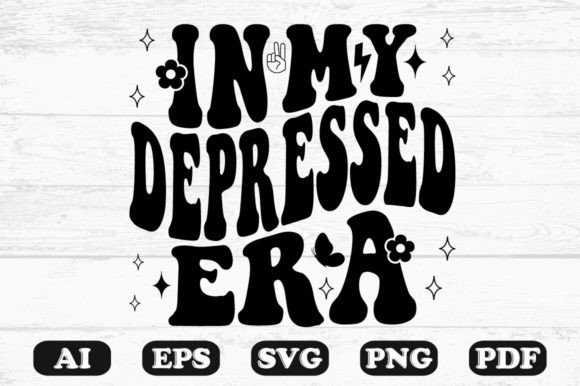
When I first opened the In My Depressed Era Retro Wavy Svg file, my initial reaction was a mix of nostalgia and practical skepticism. As someone who has spent years stitching designs for clients and running a small handmade shop, I know that a trendy aesthetic often hides technical pitfalls. The design features a distinct retro wave motif paired with bold typography that screams "vintage 90s" but with a modern, slightly melancholic twist. It is a perfect example of a Graphics asset that fits squarely into the Crafts category, specifically for those looking to add emotional depth to their apparel or home decor.
The mood this design creates is immediate: it feels personal, relatable, and effortlessly cool. However, before I committed to using it in a real production run, I had to evaluate how those wavy lines and text would translate from a vector screen to a physical fabric surface. This review isn't just about whether the image looks good; it is about whether it will hold up after washing, look professional on a $45 tote bag, or feel authentic on a baby onesie.
From Screen to Stitch: A Real-World Scenario
Imagine you are preparing a custom order for a local boutique client who wants a line of vintage-inspired sweatshirts for an upcoming fall collection. They want something that speaks to mental health awareness without being overly clinical. You pull up In My Depressed Era Retro Wavy Svg as your primary design element. The challenge here is not just the concept, but the execution. How does a digital cutting file behave when converted into a machine embroidery design?
In my experience, this specific design works beautifully on medium-weight cotton blends, like heather grey or vintage black sweatshirts. The wavy lines suggest movement, which translates well to satin stitch, giving the fabric a fluid, shimmering quality. However, if you were planning to use this on a structured baseball cap, you would need to be very careful. The curves might distort on a curved surface unless you have a specialized hoop and a digitizer who understands how to compensate for the tension of a cap crown. For a flat item like a tote bag or a pillow cover, the design shines. The visual weight of the typography anchors the piece, making it a strong statement piece for a customer browsing an Etsy listing.
I also considered using this for a smaller item, like a kitchen towel or a tea towel. The retro vibe fits perfectly in a farmhouse-style kitchen. But here is where the practical judgment comes in: the density of the stitches. If the original file is too dense, the fabric can pucker, ruining the crispness of the letters. For a finished product that needs to withstand frequent washing, the balance between the fill stitch and the background is critical. This design feels best suited for items that are cherished rather than worn daily, such as a nursery wall hanging or a special gift for a friend going through a tough time.
Navigating Technical Challenges
While the aesthetic is compelling, there are areas where In My Depressed Era Retro Wavy Svg requires extra attention during the digitizing process. One of the most common issues with wavy designs is the handling of small details. If you attempt to scale this down for a tiny patch or a hat logo, the curves may merge together, creating a muddy blob rather than a crisp graphic. I strongly advise against using this design for anything smaller than a standard 4x4 inch hoop size unless you have verified the stitch count and reduced the detail level significantly.
Fabric texture plays a huge role in the final outcome. On a smooth, high-thread-count cotton, the design will pop with clarity. However, on a textured fabric like a heavy bouclé or a fuzzy fleece, the edges of the waves might get lost. The contrast between the thread color and the fabric becomes paramount. A light thread on a dark fabric will create a sharp, retro look, but a dark thread on a dark fabric might require a underlay or a border stitch to ensure visibility. For commercial embroidery projects, consistency is key. You do not want one batch of products looking vibrant while another looks dull due to thread choice or stabilizer issues.
Stretchy fabrics present another hurdle. If you are embroidering this onto a jersey knit t-shirt or a stretchy hoodie, the wavy lines could distort during the stitching process. Without proper stabilizers—such as cut-away backing for stability—the design might warp over time. This is a crucial consideration for anyone selling handmade products online; returns due to puckered designs can damage your reputation quickly. Always test the design on scrap fabric first to see how the material reacts to the needle penetration and thread tension.
Visual Appeal and Customer Trust
The success of a digital product seller often hinges on the professionalism of the mockups and the finished product. In My Depressed Era Retro Wavy Svg offers a unique opportunity to build brand consistency. The retro style is timeless enough to remain relevant but specific enough to stand out in a crowded market. When customers see a well-executed embroidered version of this design on a personalized gift, they perceive value. They see the care taken in the stitching and the thought put into the theme.
This design is particularly effective for holiday gifts or wedding favors where a touch of sentimentality is appreciated. The phrase itself invites connection, making the product more than just a piece of cloth; it becomes a conversation starter. However, this emotional resonance must be backed by technical excellence. If the lettering is uneven or the waves are jagged, the emotional impact is lost. Buyers trust artisans who understand the nuances of stitch density and thread colors. A poorly executed design can make even the best idea look amateurish.
For small business owners and Etsy sellers, the versatility of this file is a major asset. It can be used for embroidery project files ranging from baby clothes to adult apparel. The ability to adapt the design for different contexts—from a simple tote bag design to a complex embroidered patch—adds significant value to your inventory. Just remember to check the licensing terms before selling finished items or digital products. Some files allow for commercial use, while others are restricted to personal projects only. Ignoring these details can lead to legal trouble down the line.
Practical Designer Notes for Success
To ensure your final product meets professional standards, follow these essential steps before committing to a full production run. First, always inspect small details. Look closely at the corners of the letters and the tightest points of the waves. These are the areas most likely to fail if the digitization is poor. Second, confirm the hoop size required for the design. Trying to force a large design into a small hoop often results in misalignment or incomplete stitching.
Review the stitch density carefully. If the design feels too heavy, consider reducing the fill stitch width or switching to a lighter thread weight. Test the design in black and white mockups to ensure the contrast holds up across different lighting conditions. Compare light and dark fabric backgrounds to see how the thread interacts with the material. Using the proper stabilizer is non-negotiable; it provides the foundation that keeps the design flat and prevents distortion.
Finally, think about the end user. Will this item be washed frequently? If so, ensure the design is durable. Is it a gift? Then presentation matters. A clean, precise finished product reflects well on the maker. By taking the time to evaluate In My Depressed Era Retro Wavy Svg through a lens of practical application, you can transform a simple digital file into a standout addition to your craft business. Whether you are a hobbyist looking to make a special gift or a seasoned entrepreneur expanding your catalog, this design offers a solid foundation for creative expression—provided you respect the technical demands of machine embroidery.